


Understanding Credit
Credit is basically trust with a dollar sign attached. When you understand how credit works, it can become one of the most useful tools in your financial life. The greatest benefit is it helps you qualify for loans with a lower interest rate, resulting in thousands of dollars saved over time.

Bill Pay
Our Bill Pay service makes it easy to manage bills on your schedule.

Savings Accounts
It only takes a small amount to open an account and start on the road to saving.

Credit Cards
Enjoy no annual fee, no balance transfer fee, and no cash advance fee.

What is Credit?
When you use credit, someone is lending you money (called the principal) with the expectation that you’ll pay it back. In most cases, you also pay interest, which is the extra cost for borrowing someone else’s money. Think of it like a rental fee. The higher the interest rate, the more you’ll end up paying over time.
Good credit makes life easier. It can help you get approved for a car loan, a mortgage, or even things like renting an apartment, getting insurance, or a cell phone plan, basically any situation where someone needs to trust that you can handle money responsibly.

How to Build Good Credit
Here’s how to build good credit in simple, everyday steps:
- Pay your bills on time. When you pay on time, you’re proving that you can handle borrowed money responsibly.
- Add to your savings regularly. Regularly depositing, even small amounts, helps build a positive, consistent picture of your financial habits for potential lenders.
- Use your credit card, but pay it off regularly. Making small purchases with your credit card but paying them off each month also shows lenders you can handle credit responsibly. Carrying a balance isn’t ideal because you have to pay interest on that balance. If you do need to carry a balance, keep the balance as low as possible.
Simple moves like these help build good credit over time and put you in a stronger spot when you need to borrow later.
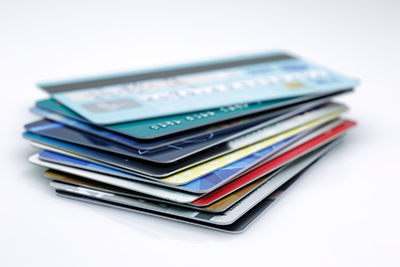
What is a Credit Card and How Do They Work?
A credit card is an easy way to borrow money for everyday purchases while also helping you build your credit history. Unlike a loan with a set payoff date, credit cards are a type of “open-ended” borrowing – you can use them again and again up to a pre-set limit. That limit might be $500, $1,000, $3,000, or more. Each month, you’re required to pay at least a portion of what you owe, called the minimum payment, which is usually a small percentage of your balance.
Most credit cards are unsecured, meaning you don’t have to put up anything as collateral. Collateral is something of value, like a car, home, or savings account, that a lender can take if you don’t pay back a loan.
If you’re new to credit or have had credit problems in the past, a secured credit card might be a good option. With a secured credit card, you pledge money from a savings account as collateral. For example, if you want a $500 credit limit, you’d keep $500 in your savings account. You can’t touch that money, and it acts as a safety net for the lender if you can’t pay your bill. Secured credit cards are a smart way to start building or rebuilding your credit safely.
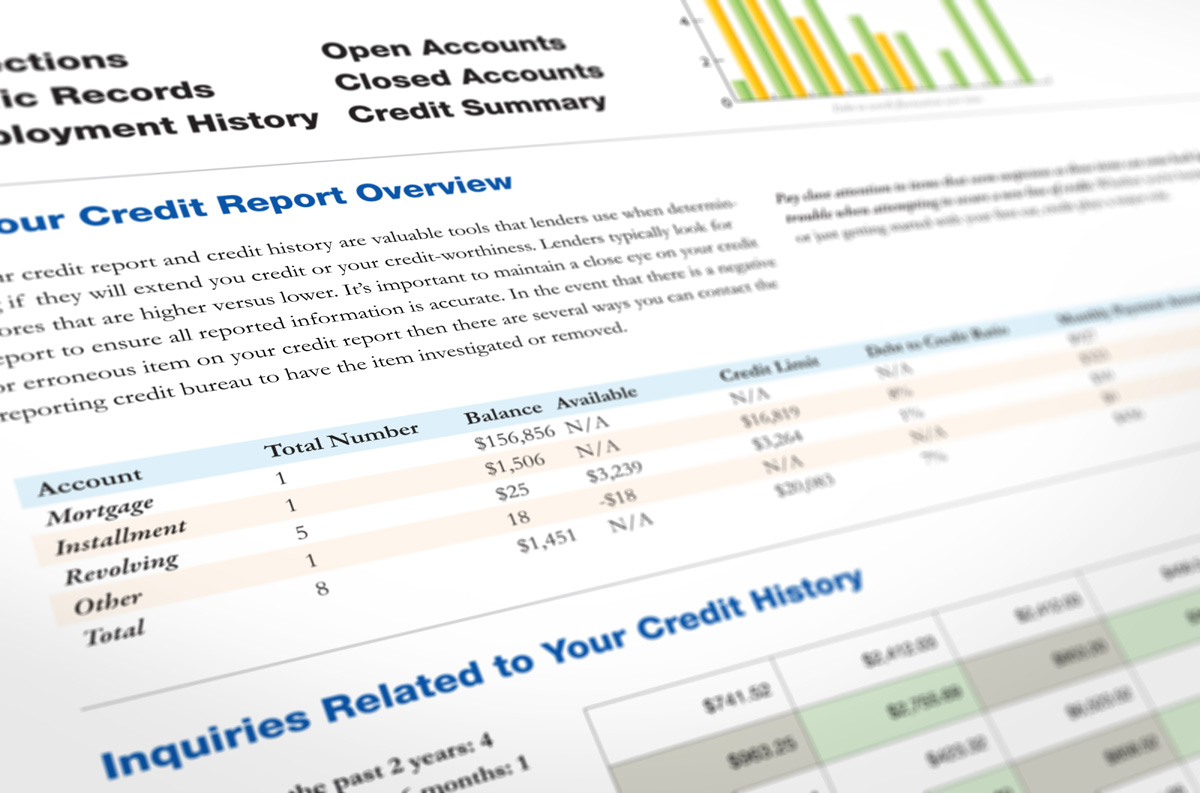
Credit Report
A credit report is like a report card for your money. It shows how well you’ve managed your debts and credit over time. Borrowers with low scores on their credit report may be turned down for credit or will pay a higher interest rate than borrowers with high scores.
A credit report tells lenders things like:
- Who you are: Your name, Social Security number, and phone number.
- What you owe and how you pay: How much debt you have, whether you pay on time, how long you’ve had credit, and how much of your available credit you’re using.
- Negative information: Things like collections, bankruptcies, or court judgments.
- Credit inquiries: Which companies have requested your credit report. Applying for credit too often can signal to lenders that you might be at a higher risk.
What is my credit score?
Under the Fair Credit Reporting Act, you’re entitled to one free credit report from each of the three major credit bureaus every 12 months. You can get your report at www.annualcreditreport.com.

Credit Terms
- Annual Percentage Rate (APR): This is the interest rate you’d pay over a year if you carry a balance on your credit card. If you plan to carry a balance, look for a low APR so you pay less in interest. If you pay your bill in full each month, focus instead on fees and other charges.
- Annual Fee: Like a membership fee, it’s a yearly charge you pay for the privilege of using the credit card.
- Credit Limit: This is your borrowing “ceiling.” The maximum amount the lender will let you spend on your credit card.
- Finance Charge: This is the actual dollar amount you pay in interest if you carry a balance. You’ll see it on your credit card statement.
- Grace Period: The time after a purchase during which the credit card company doesn’t charge interest. Paying your balance in full before the grace period ends means you can avoid interest entirely.
Argent Credit Union has been helpful in financing my car, and I would recommend them to others. They are always friendly, knowledgeable, and eager to help when you need it.
-David L.
Whenever I come in to transact any business, I'm always greeted with a smile and pleasant attitude by all members and I appreciate that.
-Jackson M.
Loan Calculators
Argent provides several on-line loan calculators to assist you in your financial planning.
Loan Rates
We offer a variety of loans with affordable payments.
Loan Payment Options
We’ve got several hassle-free loan payment options to make paying your loan easy.